Products / Canvas vs. Leather Belt
Belt Guide

Canvas Belt
vs. Leather Belt.

Two belts, two use cases, one decision. Here's everything you need to choose the right one for how you actually train.

Choose Canvas if
  • You train 4–6x per week and want all-day comfort
  • You do CrossFit, Olympic lifting, or general strength work
  • You want adjustable fit without removing the belt between sets
  • You want to start lifting with support today — zero break-in
Canvas Belt details
or
Choose Leather if
  • You compete or train specifically for powerlifting
  • You want maximum rigidity for near-maximum loads
  • You want consistent tightness without re-adjusting every set
  • You want competition-spec dimensions (13 cm wide, 10 mm thick)
Leather Belt details
Side by Side

The specs, compared.

Canvas Belt Leather Belt
Material Breathable canvas Full-grain leather
Closure Adjustable velcro Hardened steel lever
Width 10 cm 13 cm
Thickness Flexible fabric 10 mm rigid leather
Stiffness Moderate — moves with you High — holds its shape
Break-in period None 2–4 weeks
Fit adjustment Any point — velcro Fixed lever position
Breathability High Low
Competition-legal Generally no Yes (meets IPF specs)
Best for Daily training, Olympic lifting, CrossFit Powerlifting, heavy top sets, competition
Colors Black, Grey, Olive Green Black, Pastel Pink, Pastel Blue, Pastel Purple
Material

Canvas is flexible.
Leather is a wall.

The core difference between these two belts is how they create intra-abdominal pressure — the force that protects your spine under load.

Canvas works by wrapping tightly around your torso and giving your core something to brace against. It flexes with you, which lets you move naturally at the bottom of a squat or the top of a deadlift. It breathes. You can wear it for an entire session.

Full-grain leather at 10 mm does something different: it doesn't flex. It creates a rigid ring around your core that your abs and lower back can push against with maximum force. That rigidity is what makes it superior for absolute strength — and what makes it uncomfortable to wear all session.

Neither is a compromise. They're different tools for different loads and different training styles.
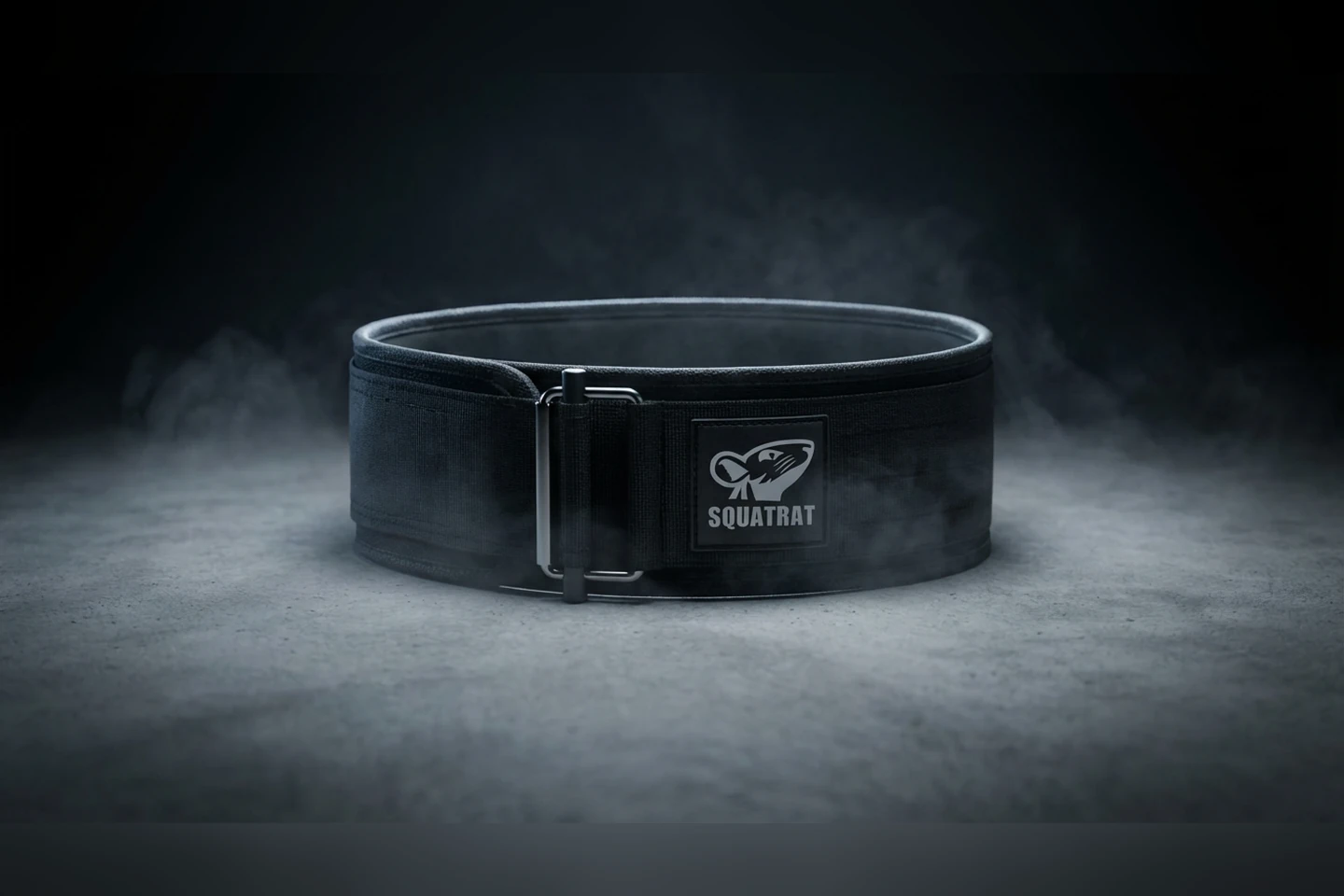
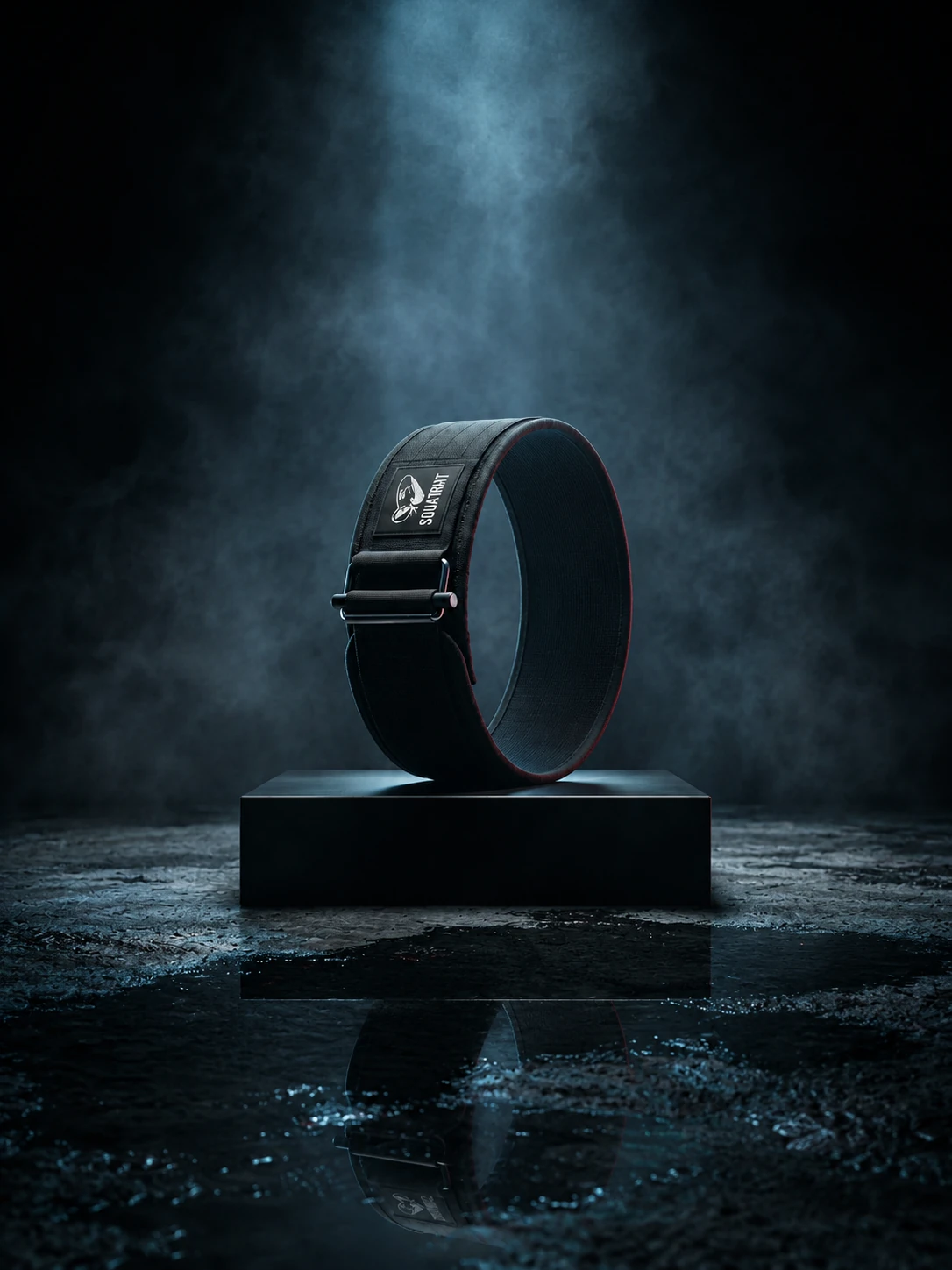
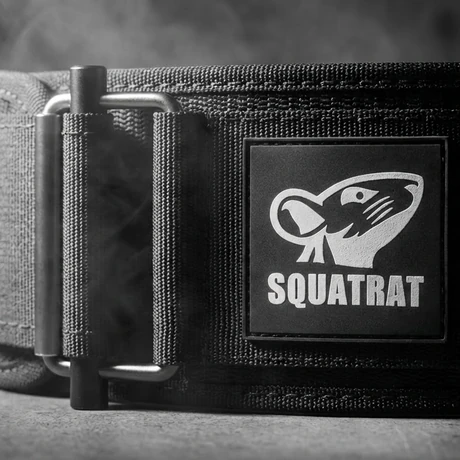
SQUATRAT canvas weightlifting belt
SQUATRAT leather lever belt black
SQUATRAT belt buckle detail
Closure

Velcro adjusts.
The lever locks.

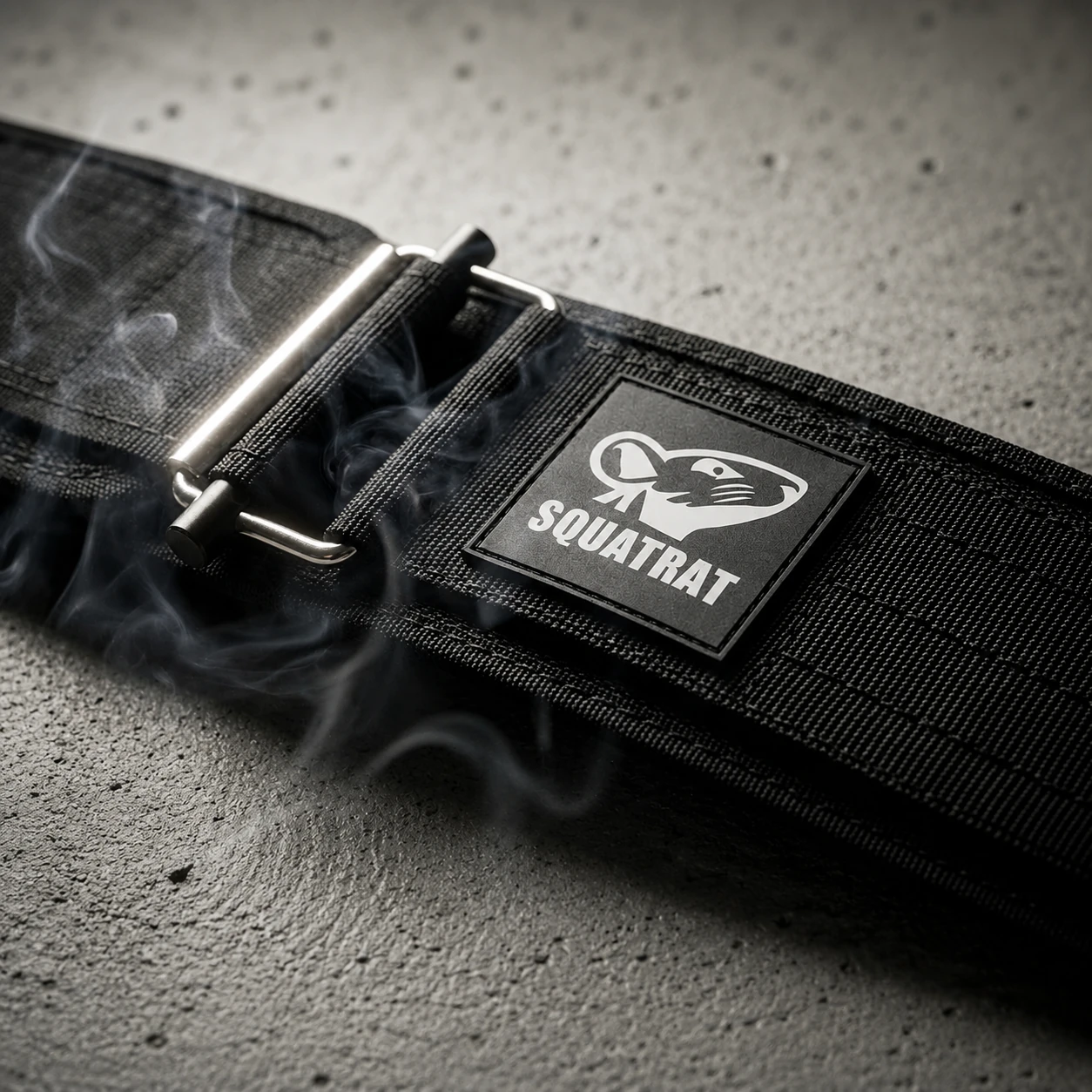
The velcro closure on the canvas belt lets you change tightness between every set in seconds, without removing the belt. Tighter for a max squat, looser for technique work. That flexibility means you can keep the belt on all session and dial in the exact support level you need.

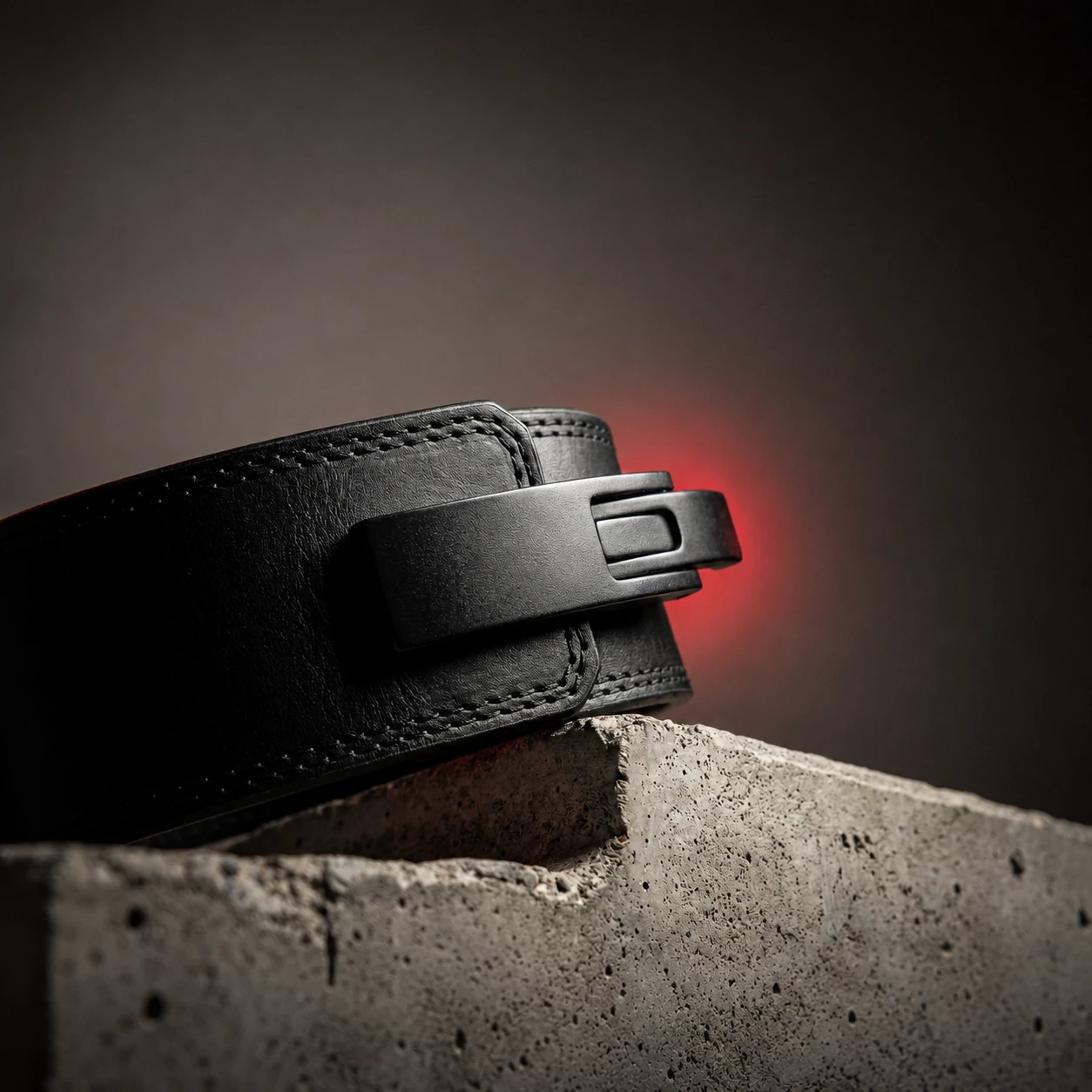
The steel lever on the leather belt does the opposite: it locks to a single preset position with one click, and opens with one flick. You can't adjust tightness on the fly, but you don't need to. Once the lever is set, the belt delivers identical support every time — consistent intra-abdominal pressure, set after set, without thinking about it.

If you want adaptability, go velcro. If you want consistency, go lever.

SQUATRAT canvas belt velcro buckle closeup
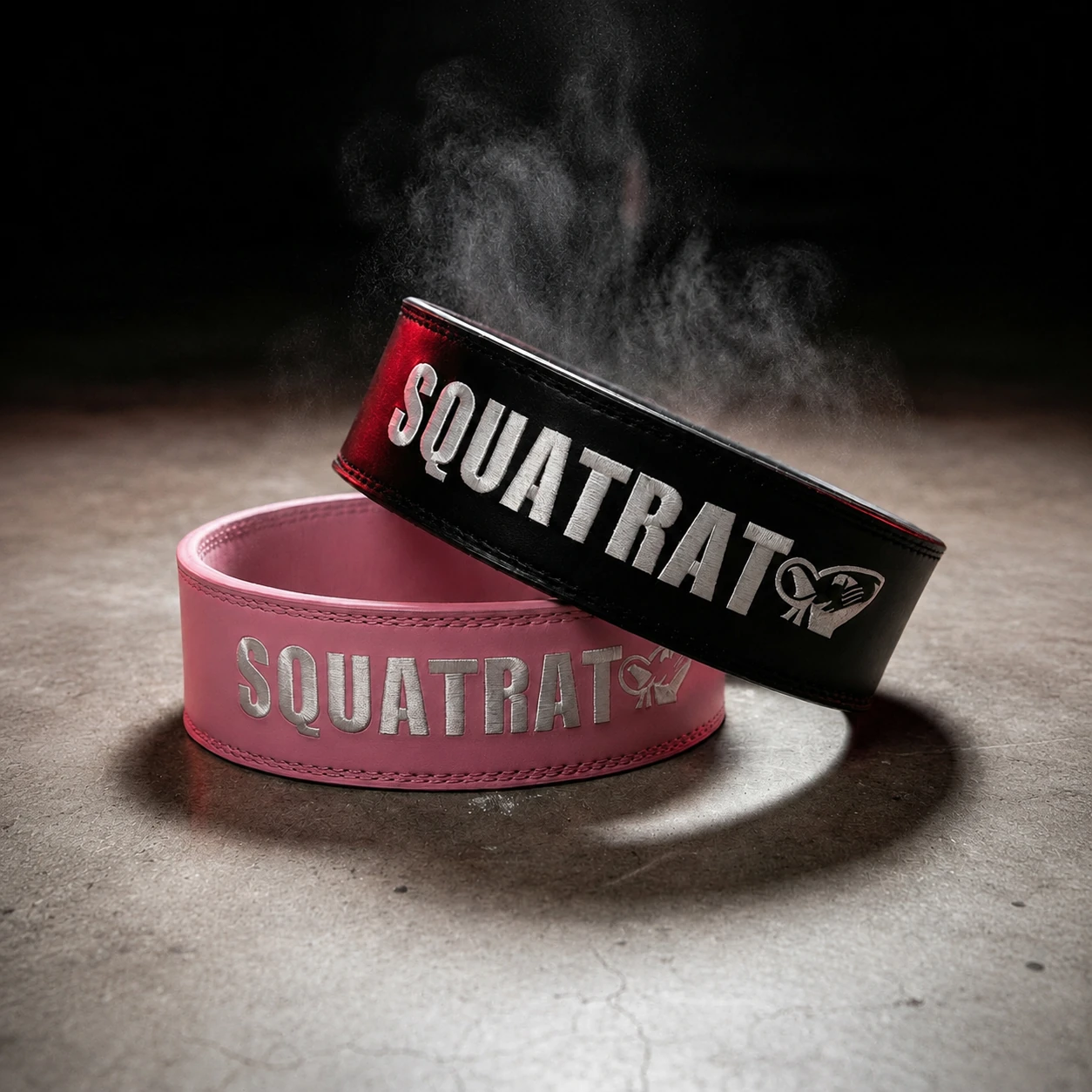
SQUATRAT lever belt pink and black
SQUATRAT lever belt on concrete
Use Cases

Who lifts in what.

Canvas Belt
  • General strength athletes — train 3–6 days a week across compound movements, want support without bulk
  • Olympic lifters — need full range of motion at the bottom; leather width would limit the crease
  • CrossFit athletes — high-rep, high-frequency, varied movements; canvas keeps up without discomfort
  • Beginners — learning movement patterns benefits from a belt that doesn't fight you; canvas is the right first belt
  • High-frequency trainers — if you're in the gym five days a week, wearing leather all session is taxing; canvas is the sustainable choice
Leather Belt
  • Powerlifters — squats, bench, and deadlifts at near-maximum load; leather rigidity is the standard for a reason
  • Competitors — IPF and most federations require competition-spec dimensions; the leather belt meets them
  • Deadlift specialists — heavy pulling benefits from a rigid belt that doesn't give; leather holds its position under load
  • Max-effort training days — even general strength athletes often keep a leather belt for top sets when absolute support matters more than comfort
The honest answer

Many serious athletes own both.

If you compete in powerlifting, you need the leather belt — no question. But a canvas belt for warm-up sets, accessory work, and high-rep training is how you protect your hips and keep the leather for when it matters.

If you train for general strength, start with canvas. When you're consistently working at 85–90% and want to push heavier, add the leather belt for your top sets. You'll notice the difference immediately.

Both SQUATRAT belts launch on Kickstarter in June 2026. Early-bird pricing is available on both — and the price gap between buying now and after launch is real.

Canvas Belt Leather Belt
FAQ

More questions, answered.

Is a leather belt better than a canvas belt?
Neither is objectively better. Leather wins on maximum rigidity and competition compliance. Canvas wins on daily training comfort, breathability, and adjustability. Which is better depends entirely on how you train and what you need the belt to do.
Can I use a canvas belt for powerlifting?
In training, yes. In competition, generally no — most powerlifting federations require leather belts meeting specific dimensions. The SQUATRAT Canvas Belt is excellent for training powerlifting movements; the Leather Belt is the competition-ready option.
Do I need a break-in period for either belt?
The canvas belt has no break-in period — wear it from session one. The leather belt typically needs 2–4 weeks of regular use before the full-grain leather softens to your torso shape. After break-in, the leather belt fits more precisely than the day you bought it.
Which belt is better for deadlifts?
Both work. For heavy deadlifts at near-maximum load, the leather belt's rigidity maximizes the support you can push against. For moderate-weight pulls, high-rep sets, or if you're pulling multiple times per week, canvas gives enough support with less fatigue.
Should I own both a canvas belt and a leather belt?
If you train seriously across multiple rep ranges, yes. Use canvas for daily training and warm-up sets; use leather for top sets and competition prep. Together they cover every scenario. Many athletes who start with one end up buying the other within a year.
Early Access

Both belts.
One launch.

Canvas Belt and Leather Belt both launch on Kickstarter in June 2026. Sign up to lock in early-bird pricing on whichever one you choose — or both.

By submitting you agree to our Privacy Policy and consent to receive emails from SQUATRAT. Unsubscribe at any time.

Questions? [email protected]